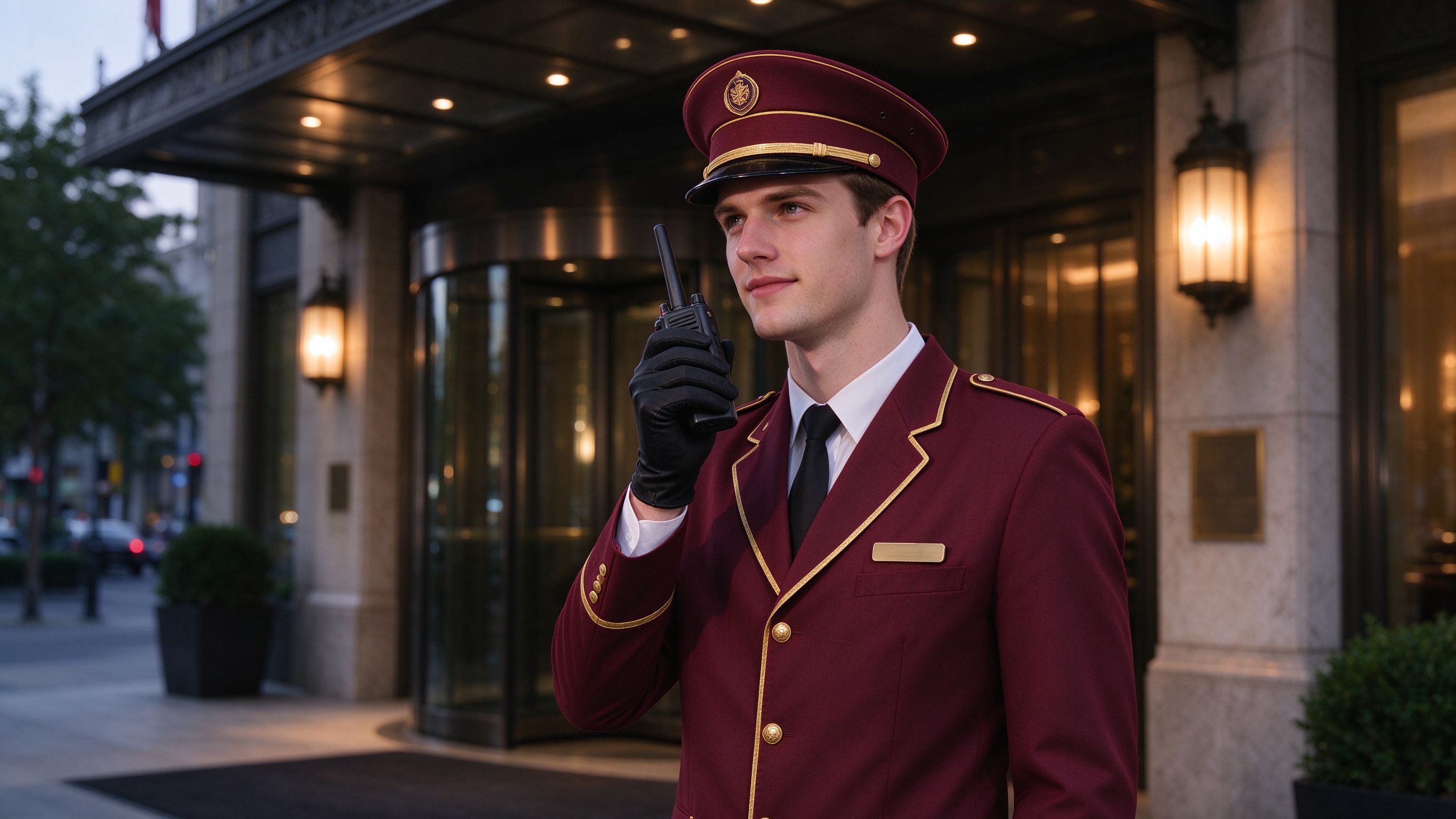
Effective restaurant communication is the backbone of a successful dining experience. From smooth coordination between staff to delivering exceptional customer service, communication plays a pivotal role in ensuring everything runs seamlessly. In this article, we’ll explore the importance of restaurant communication, key strategies, challenges, and tips to enhance it for both staff and customers.
Why Is Restaurant Communication Crucial?
Restaurant communication is essential for creating a positive environment where employees work efficiently and customers feel valued. Here are some key reasons why it matters:
- Enhanced Team Coordination: Clear communication ensures that kitchen staff, servers, and management are aligned, minimizing errors and delays.
- Improved Customer Satisfaction: Customers appreciate attentive service and timely responses, which rely heavily on effective communication.
- Increased Productivity: Streamlined communication processes reduce misunderstandings and boost overall workplace efficiency.
- Conflict Resolution: A culture of open communication helps resolve disputes quickly within the team and with customers.
Common Challenges in Restaurant Communication
While communication is vital, restaurants often face challenges that can hinder effective interaction:
- Noise Levels: Loud environments make it difficult for staff to communicate clearly.
- Language Barriers: In a diverse workforce, language differences can create misunderstandings.
- Time Pressures: Busy shifts can lead to rushed or incomplete communication.
- Technology Misuse: Over-reliance on tech tools, such as ordering apps, can reduce personal interaction.
Key Strategies for Effective Restaurant Communication
1. Foster Open Communication Among Staff
Encourage team members to openly share feedback and ideas. Regular meetings or “pre-shift huddles” can help align goals and address any concerns.
2. Invest in Staff Training
Provide communication training for all staff members, including conflict resolution and active listening skills. This ensures everyone is equipped to handle various situations professionally.
3. Leverage Technology
Use tools like POS systems and kitchen display screens to streamline communication between the front of house and back of house. However, ensure technology complements personal interactions rather than replacing them.
4. Create a Customer-Focused Culture
Train staff to prioritize clear and polite communication with customers. For example, servers should confirm orders, answer questions promptly, and handle complaints with empathy.
5. Use Visual Cues
In noisy environments, visual cues such as hand signals or written notes can enhance communication between team members.
Practical Tips to Improve Restaurant Communication
For Staff Communication:
- Establish Clear Roles: Define responsibilities to avoid confusion during busy hours.
- Use Two-Way Radios: For large establishments, radios can help staff stay connected.
- Encourage Team Bonding: A cohesive team communicates better, so invest in team-building activities.
For Customer Interaction:
- Active Listening: Pay attention to customers’ needs and avoid interrupting them.
- Positive Language: Use polite and positive phrasing, even when addressing complaints.
- Personalized Service: Tailor communication to individual customers, such as remembering regulars’ preferences.
The Role of Management in Communication
Managers play a crucial role in fostering effective restaurant communication. Here are some ways they can contribute:
- Lead by Example: Demonstrate clear and respectful communication in daily interactions.
- Regular Feedback: Provide constructive feedback to staff to help them improve their communication skills.
- Conflict Mediation: Act swiftly to resolve disputes and maintain harmony among staff.
- Policy Implementation: Establish communication policies that promote transparency and collaboration.
Conclusion
Restaurant communication is key to ensuring operational efficiency and delivering memorable customer experiences. By fostering open communication, investing in staff training, leveraging technology, and prioritizing customer needs, restaurants can overcome communication challenges and thrive in a competitive industry. Remember, effective communication is not just about talking—it’s about listening, understanding, and acting with clarity.
FAQs
Q1: Why is restaurant communication important for customer satisfaction?
A: Clear communication ensures customers receive accurate orders, timely service, and a positive experience, which boosts their overall satisfaction and loyalty.
Q2: How can technology improve restaurant communication?
A: Tools like POS systems and kitchen display screens streamline communication between staff, reducing errors and improving efficiency during busy shifts.
Q3: What are some effective ways to train restaurant staff in communication?
A: Techniques include role-playing scenarios, teaching active listening skills, and providing conflict resolution workshops to enhance staff interaction.
Related Tags
- restaurant management
- customer service strategies
- staff training techniques
- effective communication
- hospitality industry